Rare and Specialty Items in Shovel It
Legendary ice chases, quest objects, mythics, and when to sell versus keep.
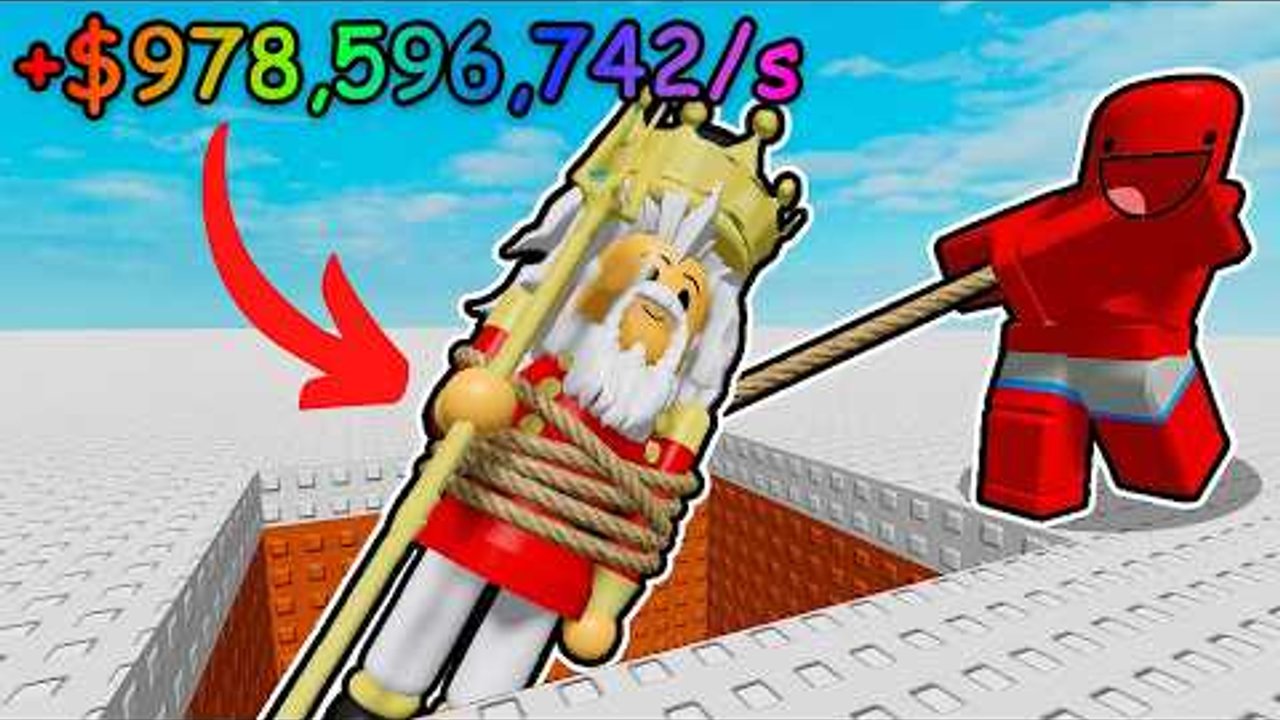
Rare finds are why Roblox Shovel It sessions feel electric. Most digs are commons you vendor for shovel upgrades, but a handful of specialty objects—Thor’s Hammer, plushies, ladders, story books, mythic showpieces, and invite skins like Ice Age—define collection goals and quest gates. This page is the rare-items deep dive for the Items / Players section: what each chase is, roughly how hard it is, and when you should sell versus keep.
Use the broader Items Hub for rarity ladders and daily selling habits. Quest routing lives in Quests and the dedicated Lost Shovel guide. Mutation tags that rewrite sell prices are explained in Mutations and Weather.
How rarity and specialty overlap
Shovel It presents a Common → Mythic style ladder for many digs, then layers mutations (weather, pollution, relic chances, Starfall) that can make a “lower” base item out-earn a clean higher rarity. Specialty names sit on top of that system. A ladder is not impressive because of a mythic label—it is impressive because Tired Tim needs 22 of them. A story book might be modest on the sell preview and priceless for Grandma or Scarp.
Always ask three questions before vendoring something unusual:
- Does an active quest name this object?
- Is it a known collection chase (plush, hammer, mythic flex)?
- Does a mutation tag make the sell price spike enough to fund a shop tier right now?
If (1) is yes, keep. If (2) is yes, decide whether you are in a showcase session or an economy session. If only (3) is yes, selling is often correct.
Thor’s Hammer — Legendary ice chase (~1/25k)
Thor’s Hammer is the headline legendary ice find in community coverage. Soft odds are frequently cited around 1 in 25,000 digs on ice snow—rare enough that you should treat it as a long-term ice farm, not an hour-one plan. Preparation matters more than superstition:
- Bring a shovel that can handle ice comfortably (check the Shovels Tier List).
- Stack luck blessings and live luck codes.
- Dig ice during strong mutation or Starfall windows when possible.
- Park drills on productive non-ice snow for coins while you focus ice by hand (Drills).
Should you sell Thor’s Hammer? Only after you confirm no active quest or personal collection goal needs it. Many players keep the first hammer as flex and bank later duplicates if the sell price funds Lost Relic spins or a major shop jump. When unsure, screenshot the sell preview, finish any ice-adjacent quests, then decide.
Plushies — long dig collection hunts
Plushies (including animal plush targets called out in creator runs) are classic collection and quest objects. They can take long dig sessions even with decent luck. Tips:
- Dig the snow types the quest or community route associates with the plush.
- Do not bulk-sell cute-looking items while a plush objective is active.
- Use luck timers; plush hunts are exactly what temporary 2x Luck is for.
- Combine with sidewalk or road volume quests so the hours still advance Scarp or Lumber.
Plushies are where “economy session” and “showcase session” collide. Pick a goal before you dig so you do not vendor the last plush you needed.
Ladders — Tired Tim’s 22-piece gate
Ladders are specialty by function. Tired Tim’s signature ask is collecting 22 ladders so the construction site can finish and players can reach crane / Secret Agent content. Ladder hunting tips recycled from the quests guide:
- Sweep map perimeters, not only the obvious worksite.
- Check roofs, ledges, and odd vertical spots.
- Keep every ladder until the counter is done—there are no “extra” ladders during the quest.
- Sell unrelated junk to free inventory space instead of deleting ladders.
Full routing sits in Quests. Ladders prove that “rare” in Shovel It sometimes means “required,” not “mythic glow.”
Story books and Grandma / Scarp belongings
Story books, old boots, gloves, hats, and similar “lost belongings” show up in Scarp and Grandma sidewalk flavor. They look like clutter until an NPC names them. Rules:
- When Scarp or Grandma asks for an old personal item, stop selling sidewalk oddities that match the description.
- Dig sidewalk methodically; batch Grandma and Scarp when both want sidewalk volume.
- After hand-in, resume normal vendor habits.
Story books are a perfect example of soft value: low flex, high quest importance. Protect them during the active step.
Mythic items — showcase and jackpot territory
Mythic finds sit at the top of the rarity fantasy. They fund huge upgrades or become inventory trophies. Mutations can push near-mythic value onto lower bases, so always read tags. Session advice:
- Economy focus — sell mythics that are not quest-locked if a Broken/Lost relic spin or shovel tier is one sale away.
- Showcase focus — keep first copies; sell duplicates later.
- Mixed focus — keep one, vendor extras, never vendor active quest mythics if a line somehow needs a named object.
Mythics feel better when luck relics, Starfall, and pollution routes are online. See Mutations and Weather before a dedicated mythic night.
Ice Age shovel skin — invite reward, not a dig
Ice Age is not buried under snow. Invite three friends, then claim the skin through the Gear Shop invite path. It is a cosmetic/account milestone. Do not replace a statistically better digger just for the look—compare real stats on the Shovels Tier List. Details on vehicles, blessings, and the invite also appear in Blessings and Vehicles.
Selling tips versus keep-for-quests
Sell freely: duplicate commons, clean filler uncommons, anything not named by an active NPC, excess junk after a luck window when bags are full.
Keep until hand-in: ladders during Tired Tim, Grandma/Scarp belongings, Farmer objectives on the Lost Shovel route, plushies while that hunt is active, any item an NPC just described.
Decide case-by-case: Thor’s Hammer, mythics, heavily mutated epics/legendaries. Compare sell price against your next upgrade (shovel, blessing, drill, vehicle, relic spin).
Never: panic-sell the entire bag mid-quest because inventory felt messy. Clear trash selectively.
Farming rare items efficiently
- Redeem luck/power codes first.
- Choose a session type: ice hammer, plush hunt, ladder sweep, or mythic Starfall night.
- Match snow type to the goal (ice for Thor’s Hammer, construction/perimeter for ladders, sidewalk for story belongings).
- Stack blessings, relics, and weather/pollution knowledge.
- Keep quest quarantine lists visible in your head—or a notes app.
- Sell on a schedule into a named upgrade goal.
How this page links the wiki
Rare items sit between the Items Hub, Quests, Lost Shovel, and Mutations and Weather. When a friend asks “should I sell this?,” send them here for specialty context and back to the Items Hub for everyday rarity rules.
Chase Thor’s Hammer on prepared ice, protect ladders and story books for NPCs, treat plushies and mythics as session goals, grab Ice Age socially, and sell only what your active quests can spare. That is the rare-item discipline for Shovel It.
Frequently Asked Questions
Quick answers to the most common questions.
How rare is Thor’s Hammer in Shovel It?
Community coverage treats Thor’s Hammer as a Legendary ice find around roughly 1 in 25,000 digs. Prepare ice-capable shovels and luck before long farms.
Should I sell plushies and ladders?
Not while those quests are active. Keep ladders until Tired Tim’s count is finished and keep plushies until the hunt or hand-in is done.
Are story books worth keeping?
Yes during Scarp or Grandma steps that ask for lost belongings. After hand-in, you can return to normal selling for unmarked books.
Is the Ice Age skin a rare dig?
No. Invite three friends and claim Ice Age through the Gear Shop invite path. Compare real shovel stats before swapping tools for the cosmetic.
When should I sell a mythic or Thor’s Hammer?
After confirming no quest needs it. Many players keep the first trophy copy and sell duplicates when the coins clearly fund the next shovel, vehicle, or relic spin.